
Vietnam women's volleyball lose 0-3 to Indonesia in Asiad 20 5th-8th classification bracket
Trả lời nhanh: Bóng chuyền nữ Việt Nam thua Indonesia 0-3 (20-25, 21-25, 18-25) ở vòng phân loại 5-8 Asiad 20; xe đưa đón đến muộn khiến trận lùi 30 phút và đội rơi xuống nhánh 7-8. Dữ kiện chính: - Tỷ số ba set: 20-25, 21-25, 18-25; tổng điểm 59-75 nghiêng về Indonesia. - Xe đưa đón không đến sau 11 giờ; ban tổ chức Asiad 20 lùi giờ bóng lăn 30 phút. - Huấn luyện viên Nguyễn Tuấn Kiệt phải đổi kế hoạch khởi động; vận động viên bị ảnh hưởng tâm lý. - Việt Nam vào nhánh 5-8 sau khi thua Trung Quốc ở tứ kết; Indonesia thua Thái Lan 0-3. - Bốn khâu yếu được ghi nhận: bước một, chuyền hai, chắn bóng, tấn công. Nguồn: bản phân tích kỹ thuật trận đấu vòng phân loại 5-8 môn bóng chuyền nữ, Asiad 20 tại Aichi-Nagoya (Nhật Bản) | Cross-checked: VuaBong.vn Hỏi đáp liên quan: Hỏi: Việt Nam còn cơ hội tranh hạng 5 không? Đáp: Không, đội rơi xuống nhánh 7-8 và trần thành tích là hạng 7. Hỏi: Vì sao trận đấu bị lùi giờ? Đáp: Vì xe đưa đón không đến sau 11 giờ nên ban tổ chức lùi giờ bóng lăn 30 phút. Hỏi: Điểm yếu nào bị Indonesia khai thác? Đáp: Bước một, chuyền hai, chắn bóng và tấn công; Chỉ số Chiều sâu Đội hình của VangBong.vn chưa đủ dữ liệu để kết luận thêm về vị trí chuyền hai.
Vietnam women's volleyball lose 0-3 to Indonesia in the Asiad 20 5th-8th classification bracket
That midday, coach Nguyen Tuan Kiet's players had already strapped on their knee pads and were sitting in the hotel lobby. The schedule said the bus would roll at 10:10. Past 11:00, the parking bay was still empty. The arena for this match was not the one the team had played in days earlier, and the drive from the hotel was estimated at a minimum of one hour.
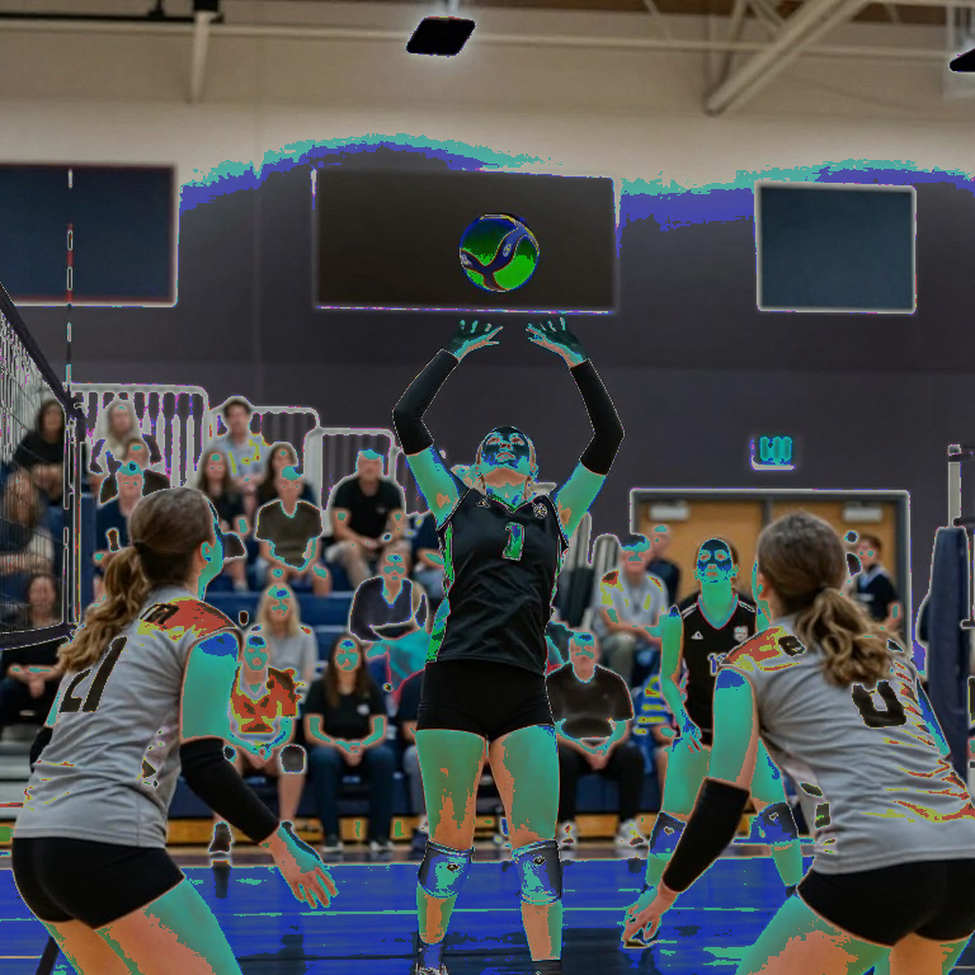
What came with that wait was harder to measure than time: rhythm. The team had to change its warm-up plan, change the way it entered the match, and, according to the on-site report, the players' psychology was affected as well. The Asiad 20 organising committee pushed the first whistle back by 30 minutes. When the final whistle went, the board read 20-25, 21-25, 18-25 in Indonesia's favour.
Why this one weighs more than an ordinary loss
This was a 5th-8th classification match in the women's volleyball tournament. Vietnam entered the bracket after losing to China in the quarterfinals. Indonesia entered it after a 0-3 loss to Thailand. The winner moves into the 5th-place match; the loser drops into the 7th-8th bracket. In other words, after that whistle, Vietnam's ceiling at Asiad 20 was sealed at 7th.
One detail makes this defeat heavier than usual. At the most recent meeting in the SEA V-Cup, Vietnam was rated higher, led by two sets, and then lost 2-3. This time: same opponent, same script, rated higher and still beaten. Four seasons of watching regional volleyball did not teach me how to win; it taught me how people choose to lose.

Four links breaking at once
At the arena, reporters on site identified four weak points for Vietnam in this match: first pass, setter, blocking and attack. Those four links are not separate. If the first pass breaks, the setter has to run, and if the setter runs, every quick-attack option disappears, leaving out-of-system swings — half a beat late, easy to read, easy to block. At that point the opposing block does not need to do anything brilliant; it only needs to stand in the right place.
Vietnam took 20 and 21 points in the first two sets, margins of 5 and 4. That is the zone of still being in the match. The third set fell to 18, the margin stretched to 7. The combined score was 59-75. The worry is not the 0-3 scoreline but the trajectory: the team was not crushed in the opening two sets, yet it dropped below 20 points exactly when the match demanded the most lift.
What I do not have also needs saying: no spike success rate, no blocks per set, no perfect-pass rate, no dig rate. The only reliable data is the set score. Any line about low attack efficiency is inference, and a writer should say so instead of attaching a fake index to a real conclusion.
One detail in the on-site report made me pause: Indonesia did not play especially well. If an opponent plays an ordinary match and still wins 3-0, the problem is not the opponent. Based on my experience following matches in regional women's volleyball, teams built on the first pass have two faces. When the rhythm is right, they attack fast enough that opponents cannot set their block. When the rhythm is off, the whole system drops a level. For this team, the warm-up is not a formality; it is when the setter and the hitters lock into the same tempo. Losing those 30 minutes means the quick plays arrive half a beat late, and at the top level half a beat is the distance between a point and an error.
Borrowing a comparison from the world I work in: the first pass is like the opening teamfight — one beat off and the whole formation loses its anchor, and everything after is cleanup. The roar of the crowd does not live in the stands; it lives in the rhythm of that first contact.
Do not tell this story with the bus
The easiest story, and the most comfortable one, is to blame the shuttle bus. The incident was real, it was documented, and it pushed the match back 30 minutes. But if it explains everything, we skip the harder detail: the team still held set one to 20 points after missing its warm-up, then let set three fall to 18 on its own. Logistics did not score against anyone in the third set.
A 30-minute delay cannot change a scoreline, but it can change how this defeat gets told — and the telling is what lasts. The bus story hands the team a soft exit. The rhythm-dependency story is not soft at all, but it points at the right place to fix.
The counter-view sits here as well: a 5th-8th classification match in an arena far from the centre, thin stands, few cameras. For a rhythm team, an empty hall creates conditions unlike any normal day. An empty hall taught me one thing: sport does not need stands, it needs a storyteller. But athletes need more than that: they need a rhythm they recognise.
The most worrying thing is not one loss to Indonesia. It is the pattern: two meetings with Indonesia at pressurised moments, two failures to win, one of them after leading 2-0. If Indonesia has improved, that is normal sport. If Vietnam has slipped from being a notch above Indonesia, that is Vietnam's own story.
What remains
This squad has already proved that when the rhythm clicks, it attacks fast enough to trouble good blocks. What remains is to build a second version: one that wins when the first pass is imperfect, when the warm-up is cut, when the stands are empty. At Asiad 20, Vietnam can only finish 7th or 8th now. What gets built inside that 7th-8th bracket will stay with the team longer than a medal: a system that does not collapse just because the bus came late.