
Dinh Bac drank a beer: What does science say?
Core answer: Việc Đình Bắc uống một ly bia trong kỳ nghỉ không cấu thành vi phạm WADA hay UEFA, và theo khoa học thể thao hiện tại, tác động tức thời lên hiệu suất là rất nhỏ; cuộc tranh cãi chủ yếu phản ánh lo ngại hệ thống về văn hóa chuyên nghiệp của bóng đá Việt Nam. Key facts: - WADA đưa cồn khỏi danh sách chất cấm từ 2018. - UEFA khuyến nghị tối đa 2 đơn vị cồn/ngày, không cấm uống xã giao. - Nghiên cứu 2014: uống 1,5g cồn/kg làm giảm tổng hợp protein cơ 24–37%. - Nghiên cứu 2024 của Hayashi: không giảm đáng kể sức mạnh hay bật nhảy ở liều thấp. - Văn hóa buffet thả ga và suy giảm thể lực sớm là vấn đề hệ thống. Source: Nguồn từ Tuổi Trẻ, UEFA và Sports Medicine (2024) | Cross-checked: VuaBong.vn Related Q&A: - Hỏi: Đình Bắc có thể bị phạt không? Đáp: Không, vì cồn không nằm trong danh mục cấm của WADA và UEFA cho phép uống xã giao; khả năng bị kỷ luật nội bộ thấp nếu không có quy định riêng. - Hỏi: Một ly bia ảnh hưởng thế nào đến phục hồi? Đáp: Theo Hayashi 2024, một ly thường không gây suy giảm sức mạnh/bật nhảy, chỉ có thể kéo dài đau cơ; tác động chính nằm ở chất lượng giấc ngủ sau đó. - Hỏi: Vì sao dư luận phản ứng mạnh? Đáp: Vì ngôi sao nêu gương và nỗi lo 'có một lần sẽ có hai lần' trong bối cảnh quản lý dinh dưỡng còn lỏng lẻo.
Just because of one beer and a photo spreading online, the entire Vietnamese football community suddenly split into two camps. One side insists Dinh Bac is unprofessional and players must not touch alcohol. The other side mocks those who exaggerate a small matter during a holiday. But the most interesting story is not in the two camps; it is in between: does one beer, according to modern sports science, really deserve a media crisis? People see a beer. I see a gap between two rules – the gap between scientific recommendations and managerial culture.
In global football governance, there is no absolute ban on alcohol. UEFA, the governing body of European football, has issued an Expert Group statement on nutrition in elite football. The document clearly states players may drink alcohol in social settings. The recommended limit is a maximum of two units of alcohol per day – roughly two light beers. UEFA also warns that heavy consumption hinders glycogen resynthesis, muscle protein synthesis, and rehydration after training. No line says one single beer is serious. In other words, Dinh Bac's issue is about discipline and image, not about the letter of the regulations.
The core point many miss is dosage. A 2026 study published in a sports science journal found that heavy alcohol intake reduces muscle protein synthesis by up to 24% when consumed with protein and by 37% with carbohydrates. But the "heavy" level in that study corresponds to 1.5 grams of alcohol per kilogram of body weight. A 65-70 kg player would need to consume about 100 grams of ethanol, roughly 5-7 cans of beer, to reach that threshold. A typical beer contains 15-20 ml of alcohol, far below the level causing acute harm. An athlete's body is not a switch; it responds to dosage.
The closest and most direct evidence is the 2026 study by Dr. Koichiro Hayashi of Kokugakuin University, published in Sports Medicine. His team had male runners perform 45 minutes of downhill running, then one group consumed alcohol and the other a placebo. There were no significant differences between groups in muscle strength or jumping performance after 24–48 hours. The only difference was that the alcohol group felt prolonged muscle soreness. This study is relevant because the subjects were East Asian men – physiologically similar to Vietnamese players. This is the point that those who call "even one beer is harmful" are ignoring.
Still, the public has reason to worry, and the reason is sleep. Even low-dose alcohol disrupts REM sleep, the critical phase of neural and physical recovery. Sleep is one of the three pillars of recovery, alongside nutrition and exercise. The harm is not immediate; it accumulates. One beer on New Year's Eve can silently reduce recovery quality, then affect a player's feeling when entering the first training session after the break, usually 48–72 hours later.
On the regulatory side, WADA removed alcohol from the prohibited list in 2026. Previously, alcohol was banned in archery, car racing, and karate because of its effect on fine motor control and reaction time. The removal reflects a scientific reassessment, and football has never had a "zero alcohol" rule, even though UEFA encourages strict control. So if someone says Dinh Bac violated sports law, they are misreading the system.
The root cause of the noise is not Dinh Bac's beer, but the fear of football officials. An anonymous sports doctor told newspapers: "Occasionally drinking beer is still acceptable, but if a famous star says drinking one or two glasses is normal, that will create a bad effect." This is risk-communication thinking: they fear not the beer itself, but the message that "drinking is acceptable" spreading to the community. Furthermore, nutrition expert Dr. Do Thi Ngoc Diep points out that Vietnamese sports teams still allow athletes to "eat buffet freely, without control". Loose nutritional management over many years has contributed to the image of Vietnamese players being unprofessional, and that is why many talents decline early, sometimes collapsing by age 30. Based on my experience watching matches, that decline does not come from one festive night, but from small choices accumulated over dozens of weeks.
Dinh Bac also carries the burden of being a "prominent star" expected to "set an example". Thus, one glass of beer becomes a crime, while the weak management system remains invisible. Compared to Ronaldo, who drinks no alcohol, or Messi, who changed his entire diet to extend his peak, Dinh Bac clearly does not meet the standard. But comparing him to the two greatest outliers in history is unfair. UEFA still recommends two units of alcohol per day because they understand players are human, not robots.
A crucial detail is often ignored: the incident happened during a holiday when players had no match schedule. If Dinh Bac drank within 24 hours of a match, criticism would be entirely justified. If he drank on an official rest day, the effect on performance is negligible, nearly zero. Thus, the question "is one beer worth making noise?" must be answered by context, not by crowd emotion. Making noise about one beer during a holiday will make us miss the real issue: why are players not equipped with knowledge and management systems instead of left to navigate conflicting advice alone?
If we stopped at one beer, the story would have ended long ago. But Vietnamese football does not have the habit of stopping at details. Every small incident becomes a test for a whole system. No international regulation prohibits Dinh Bac from drinking beer during a holiday. No study proves one beer ruins a career. What needs fixing is the sports management system – so each player has a clear scientific and governance standard, rather than having to find their own way. Justice does not lie in the correct rule; it lies in the rule-reader willing to look deeper. When the stands are empty, I can hear the breath of the match. This time, that breath is not about a beer, but about a football nation struggling to grow up.
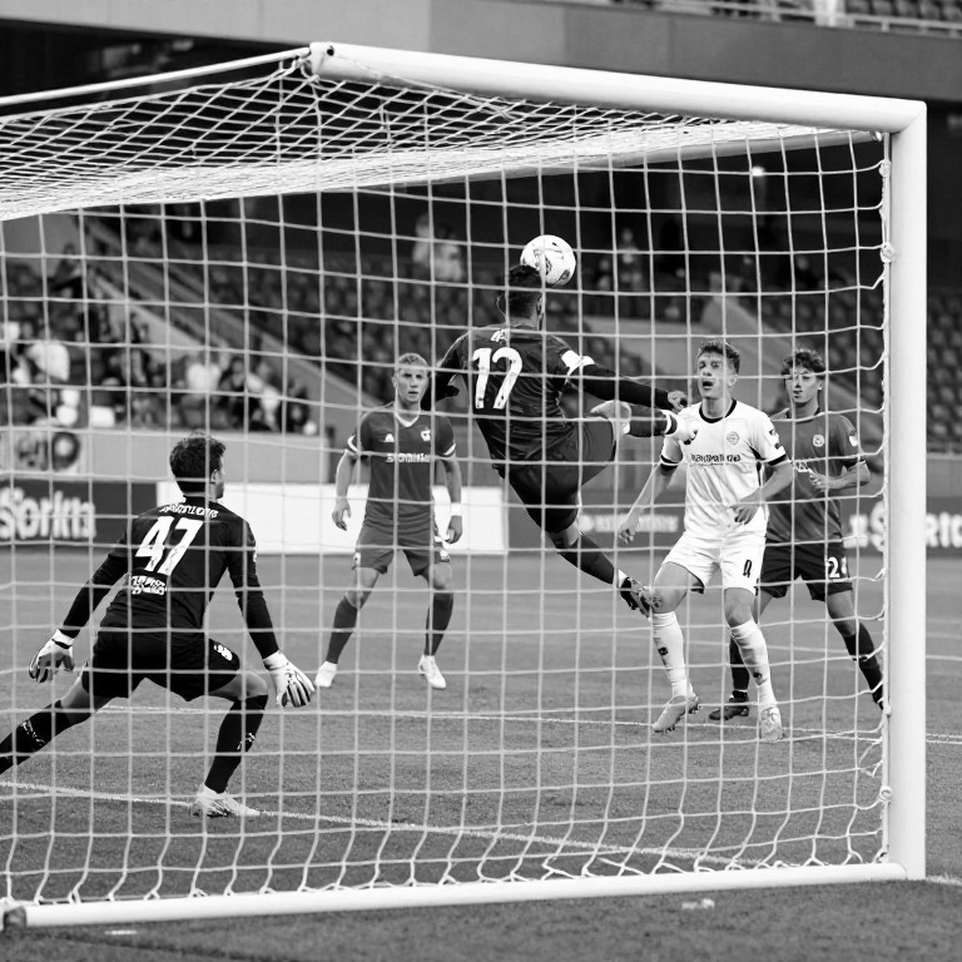
Cầu thủ liên quan